
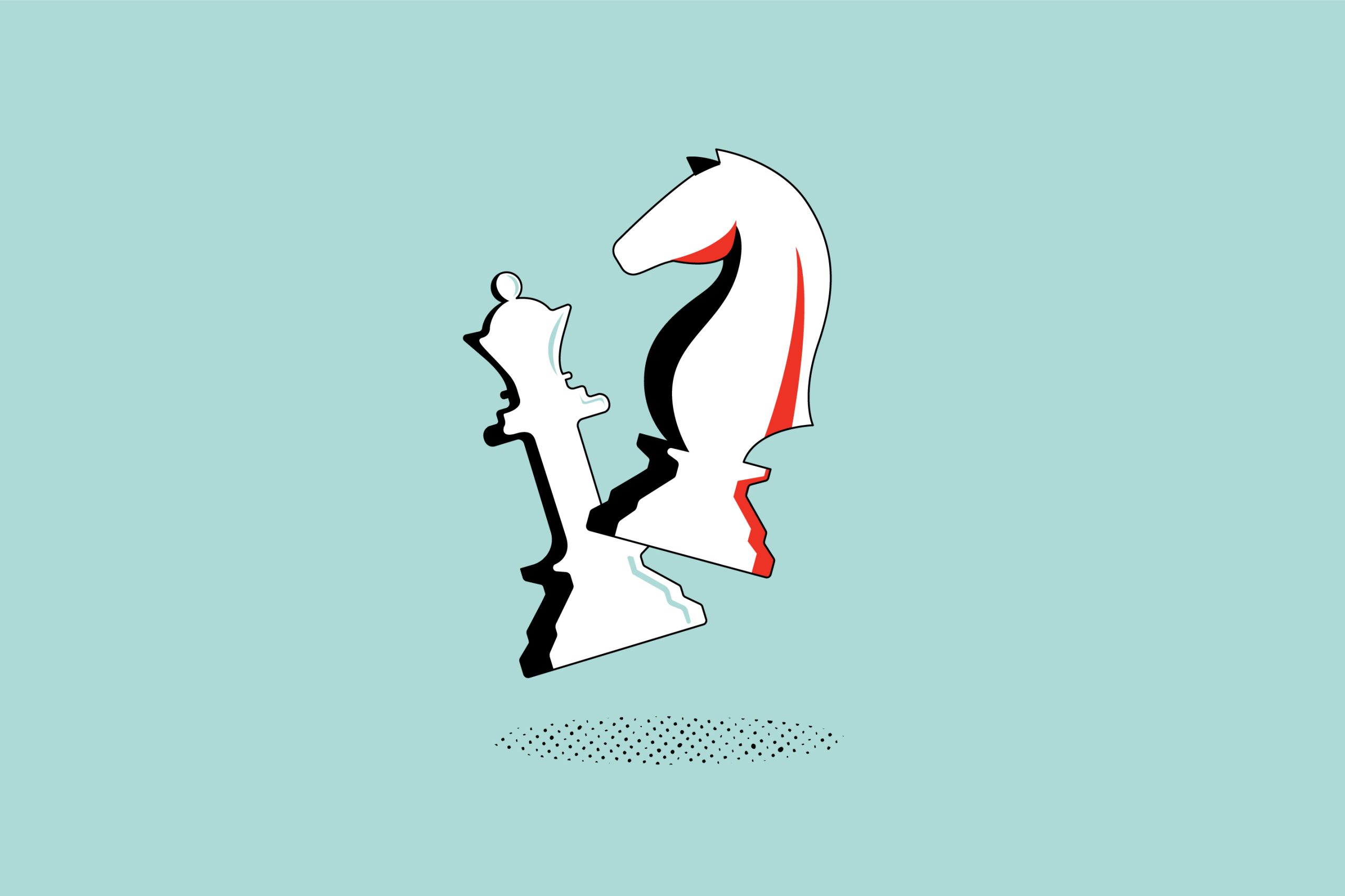
Logos, typefaces and color palettes may catch the eye, but they do not build a brand. At best, they signal one. The real work of branding happens before a single design decision is made. It begins with strategy.
A brand strategy is not only an exercise in consistency but also the architecture behind how a company presents itself, the principles that inform its decisions, and the tone that carries across every touchpoint, from packaging to boardroom decks.
In this blog, we’ll examine what a brand strategy is (and isn’t), why it matters, and how to build one with intent. Whether you are clarifying a legacy identity or starting something new, this is where you define what your brand stands for, and why anyone should care.
What is Brand Strategy?
At its core, brand strategy is a long-term plan for how a company communicates its purpose and positions itself in the market. It sets the tone, informs the visuals, and ensures alignment across teams.
Brands like Patagonia and Muji don’t shout. They speak with consistency and conviction, guided by long-term positioning over fleeting trends.
A good brand strategy is not loud. It’s not trendy. It is clear, coherent and quietly confident. It guides what to say, what not to say and how to behave in a way that earns trust over time.
Why Brand Strategy Matters
Brand strategy is often treated as an optional prelude to design work. It is not. Strategy ensures that design is not just attractive, but appropriate. Messaging is not only clever, but also meaningful.
A clear strategy:
- Builds recognition through repetition and restraint
- Provides clarity for internal teams and external partners
- Creates emotional alignment with the people you hope to serve
- Protects a brand’s integrity as it scales or adapts
- Anchors decisions in something more stable than a trend
Without strategy, brands drift. With a sound strategy, they know where they stand and how to grow with intention.
Key Elements of a Brand Strategy
A thoughtful brand strategy is made up of a handful of foundational components. These elements create internal alignment and external coherence. When developed carefully, they serve as a reference point across creative, operational and strategic decisions.
Purpose
Why the company exists, beyond revenue. A clear purpose is practical and keeps teams focused and helps customers understand what drives the brand at its core.
Values
The principles that guide behavior. These are not aspirational buzzwords, but working tools that shape voice, partnerships, hiring and priorities.
Audience
Who the brand is for (and who it is not for). Good strategy avoids vague universality. Instead, it invites specificity. Who are you trying to reach, and what do they need from you?
Positioning
Where the brand sits in the market. Positioning defines how you are different, and more importantly, why that difference matters.
Personality
The tone and temperament of the brand. Is it clinical? Curious? Reassuring? Subtle shifts in language, color, or pacing can either reinforce or undercut this. Masterclass: Oatly
Expression
How all of this comes to life visually and verbally. This includes logos, typography, palette, messaging hierarchy and the cadence of communication. But only after the deeper work is done.
So, how do we do it?
Finding Your Brand Position
Positioning is the space your brand occupies in the minds of your audience. It is not what you say you are but rather what they remember you for. A strong brand position clarifies what makes you distinct, relevant and trusted.
To find that space, you begin with context. What do your competitors claim? What does your audience expect or wish someone would finally say? The goal is not to shout louder, but to offer the most value.
The greatest positioning often emerges from what’s not being said. This is known as white space. A gap in tone, offering or identity that your brand is uniquely positioned to fill. Sometimes that space is subtle, but other times, it is a complete inversion of the category norm.
Consider Liquid Death. In a sea of “pure,” “eco,” and “natural” waters, they went with metal typography, irreverent copy and punk-adjacent energy. They changed the context, not the product.
But bold only works when it’s true. A strong positioning statement should reflect your real differences and set the tone for how you show up across every channel.
How to Build a Brand Strategy
There’s no single formula, but the process we walk clients through tends to follow a familiar shape. It starts with listening, moves into clarity and ends in implementation. The order matters.
Audit What Exists
Look at the current state. What’s working, what’s inconsistent, what feels out of step with where the brand is headed. The goal is not to preserve or discard, but to understand.
Research the Context
A brand does not exist in a vacuum. Study competitors, peer brands, cultural shifts, and audience expectations. Strategy is as much about where you fit as how you lead.
Airbnb’s rebrand in 2014 didn’t start with a new logo. It began with a deep dive into how people perceived the company and what it wanted to become.
Clarify the Core
This is the slow, critical part. Define purpose, values, audience and positioning. Draft language. Edit it down. Then live with it for a while. A strong strategy should feel inevitable.
Define the Voice
Once the message is clear, the voice follows. Voice gives your team a shared language to work with and your audience something familiar to return to.
Shape the Visual Identity
Now the design work begins. Logos, layout systems and photography only resonate when rooted in something deeper. When done well, they are an extension of what the strategy already says.
Document, Share and Apply
A strategy has little value if it stays in a deck. Build systems that support its rollout, complete with brand guidelines, onboarding materials and editorial standards.
What Brand Strategy is Not
Brand strategy can feel abstract, which leaves it open to misinterpretation. A few things to clarify:
- It is not a mood board
- It is not a tagline
- It is not only for the marketing team
- It is not fixed in time
- It is not for show
Good brand strategy is more of a guide than anything else, and if it isn’t helping people make better decisions, it isn’t working.
Brand strategy can feel abstract until you see it applied. Here’s how we brought these principles to life for a healthcare startup with a bold mission and an even bolder audience.

Brand Strategy in Action – Revel: A Healthcare Brand that Leads with Joy, Not Jargon
Challenge:
Arnasi Group approached Rivers with a prototype and a goal: to redefine the experience of ostomy care. The space was dominated by sterile branding, clinical language, and off-the-shelf design systems. The product was innovative, but the category wasn’t ready for it.
Solution:
Rivers reimagined the brand from the ground up. Through deep research, the team uncovered a vibrant, community-driven side of the ostomy audience that was confident, candid and tired of being overlooked. The name Revel signaled joy and defiance in equal measure. The identity featured bright, custom illustrations, tactile packaging and a tone that spoke directly to people, not patients.
Point of Emphasis:
By leading with lifestyle instead of limitations, Rivers helped Revel carve out a white space in a highly regulated and emotionally complex category to build a brand people could actually feel good about.
Where to Begin
If brand strategy feels like a distant priority, consider this: the strongest brands don’t wait for clarity, they build it. Whether you are repositioning, scaling or simply recalibrating, the most effective next step is often a conversation.
At Rivers Agency, we work with companies at every stage to define and refine brand strategy. If you are looking to create alignment, sharpen your message or lay the groundwork for growth, we invite you to schedule a complimentary consultation with our team.